Would you like to know more?

We're writing a book on Iceland's forests

A thousand-year story of how Iceland lost its woods and how they are coming back. It will be free. Leave your email and we'll send it the day it is ready.

Thank you! Your submission has been received!
Oops! Something went wrong while submitting the form.

Why Iceland?

A green country turned to stone – and the long road back

When people first settled Iceland, birch woodland covered around 25-40% of the island. A thousand years later, less than 2% was left. This is the story of how a forest vanished – and why it can return.

See how it happened

One farm, two decades

The same hillside, 23 years apart

Drag the handle. On the left, a bare Icelandic slope in 2000. On the right, the young forest standing on it today. Not a rendering – one real farm in the north of Iceland.

The same hillside covered in young forest in 2023A bare Icelandic hillside in 200020002023

Mælifellsá, Skagafjörður. A fenced hectare of willow and birch trees planted in the early 1990s has grown into nearly 50 hectares of woodland with more than 80,000 trees.

Before the axe

Iceland was once a wooded island

For six thousand years before anyone arrived, downy birch spread across the island – tall woods in the sheltered valleys, low scrub on the windy slopes, rowan along the streams and aspen in the hollows. By the best estimates, forest and woodland covered around 25-40% of Iceland when the first settlers stepped ashore in the late 800s.

It was a forest no one had ever cut. The largest land animal was the arctic fox; the birds did the grazing. Then the ships came.

🌱

Did you know?

Icelanders call the birch ilmbjörk – the fragrant birch – for the sweet smell it gives off, especially when the leaves are crushed or after rain.
The undoing

How a country lost its forests

The woods were not destroyed by one disaster. They were used up, slowly, across a thousand years – for firewood, for building, for charcoal to smelt bog iron, and by grazing sheep that ate young trees before they could grow.

25-40%

of Iceland was forest when settlers arrived

<1%

was left by the early 1900s

80,000 tonnes

of birch burned as charcoal to make iron

🔥

Did you know?

In 1783 the Laki eruption poisoned the land with fluorine and sulphur. Within months it killed about half of Iceland's cattle and nearly 80% of its sheep – and roughly a fifth of the people. The eruption affected weather and harvest in continental Europe, and may have contributed to the political instability which became the French revolution in 1789.

~874

Settlement begins. Around 25-40% forest cover.

1300s

Woods cleared for farms, fuel and iron.

1783

Laki eruption and the great famine.

1908

A survey finds only ~1,000 ha of birch left.

Today

About 2% forest – and slowly rising.

Quick quiz

How much do you really know?

Have a guess, then tap to reveal.

How much of Iceland was forest when the Vikings arrived?
Around 25-40%. Nearly half the island was birch woodland. Today it is under 2%.
What did most of the damage to the woods?
Grazing sheep. Cutting mattered, but it was livestock eating every seedling that stopped the forest from ever growing back.
Where does most of a forest's carbon end up in Iceland?
In the soil. Iceland's volcanic soils lock carbon into stable mineral bonds for centuries – often more than the trees hold above ground.
How long does an Icelandic tree take to become a forest?
Decades. A seedling stays knee-high or lower for years. In ten years it may reach three-five metres; in thirty, the survivors are a wood. This is patient work.

A country of stone

The land that is waiting to be forest

Where the woods once stood, much of Iceland is now bare: an estimated 25,000 - 40,000 square kilometres of degraded ground stripped of trees and, in many places, of the soil itself. It looks empty. It is actually one of the best places on Earth to grow a forest again.

The reason is underground. Iceland's young volcanic soils – Andosols – bind carbon into stable mineral compounds that can hold it for centuries. A mature Icelandic birch soil stores 30 to 50 kg of carbon per square metre. Degraded land holds less than one.

30–50

kg of carbon per m² in mature birch soil

<1

kg per m² on bare, degraded land

≈0

wildfire risk – Iceland is cool and wet

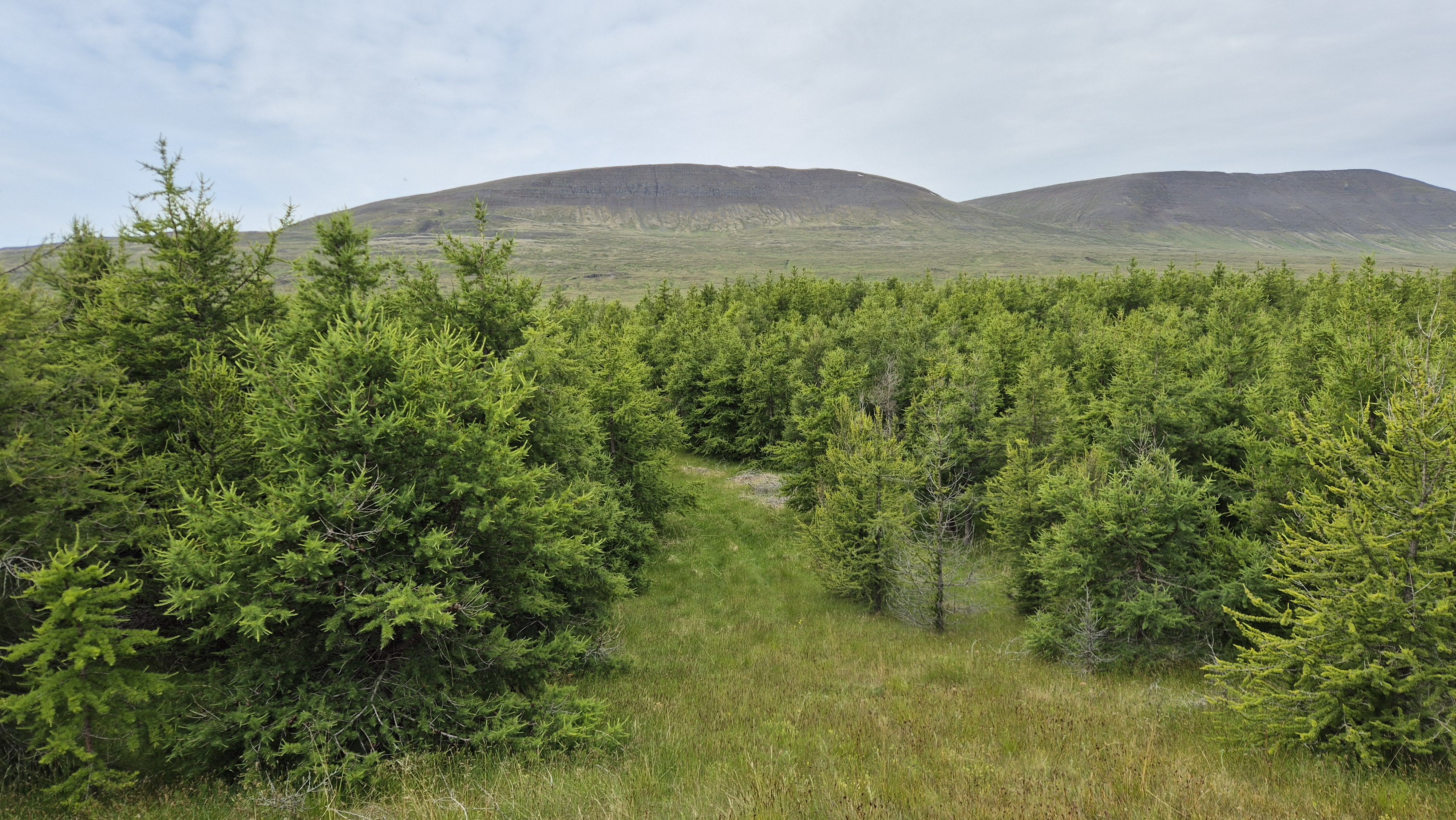
Young Icelandic forest with mountains behind

The return

A hundred years of bringing them back

Iceland has been quietly rebuilding its forests since 1907. It was slow at first – a survey in 1908 found barely 1,000 hectares of birch left in the whole country. But the science matured, the sheep declined and the planting accelerated. The nation now aims to more than triple its forest cover this century.

Iceland's forests almost never burn, its soils hold carbon for the long term, and every returning wood can be measured and verified. For growing forest that truly lasts, few places on Earth compare.

The living returns

Plant a wood, and the animals come back

A forest is not only carbon. As trees grow on ground that has been open for a thousand years, life pours back in. On one restored farm in the north, ptarmigans, redwings, redpolls, ravens, snipes and merlins have returned – with foxes, mice, spiders, native bees and countless insects that had nowhere to live before.

None of it was there twenty years ago. All of it followed the trees.

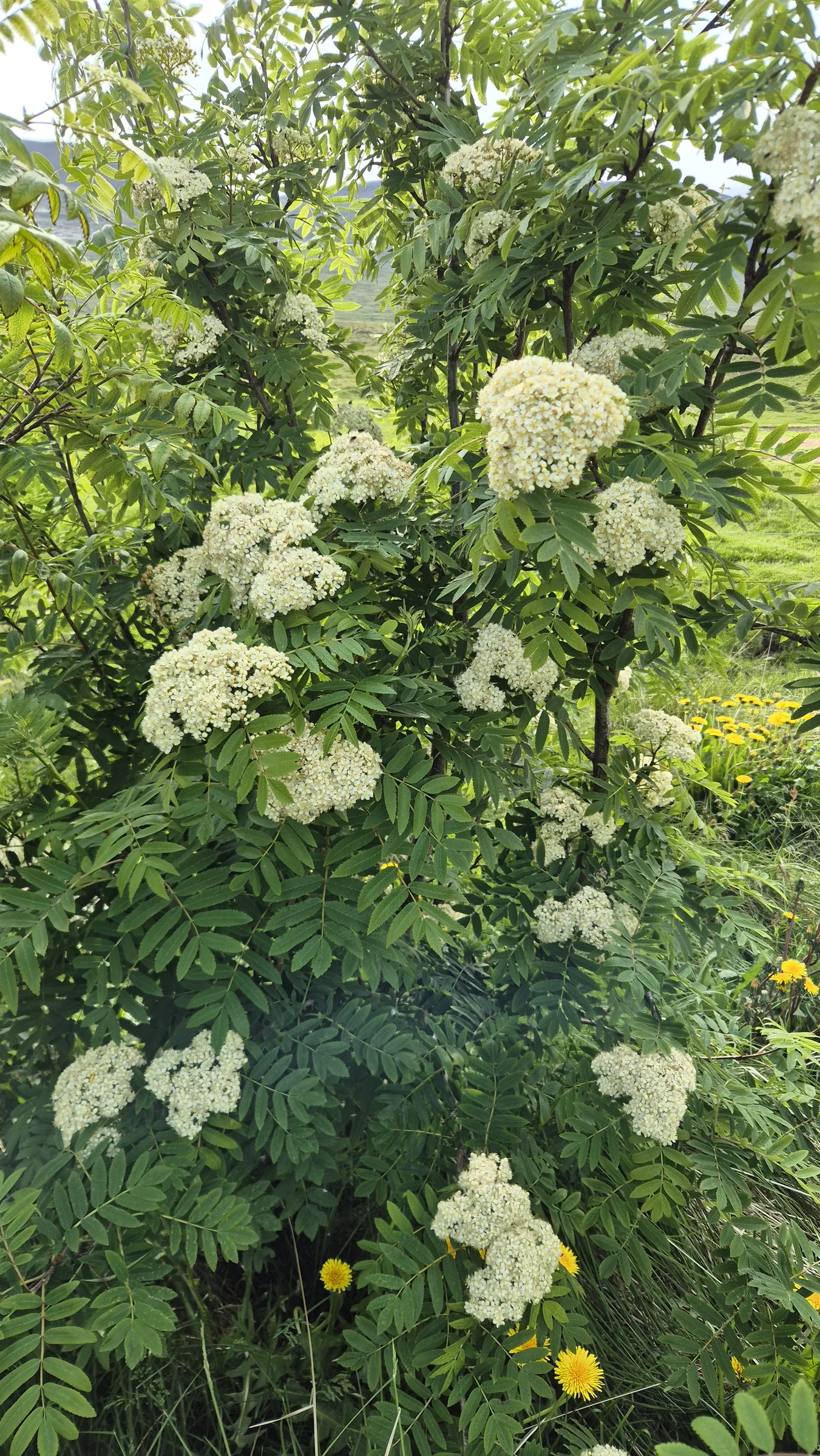
Rowan in blossom in an Icelandic wood
🍒

Did you know?

Medieval Icelanders planted rowan for luck and protection. Its deep-red autumn berries feed the returning birds – one of the first signs that a young wood has truly come alive.

It starts with one person

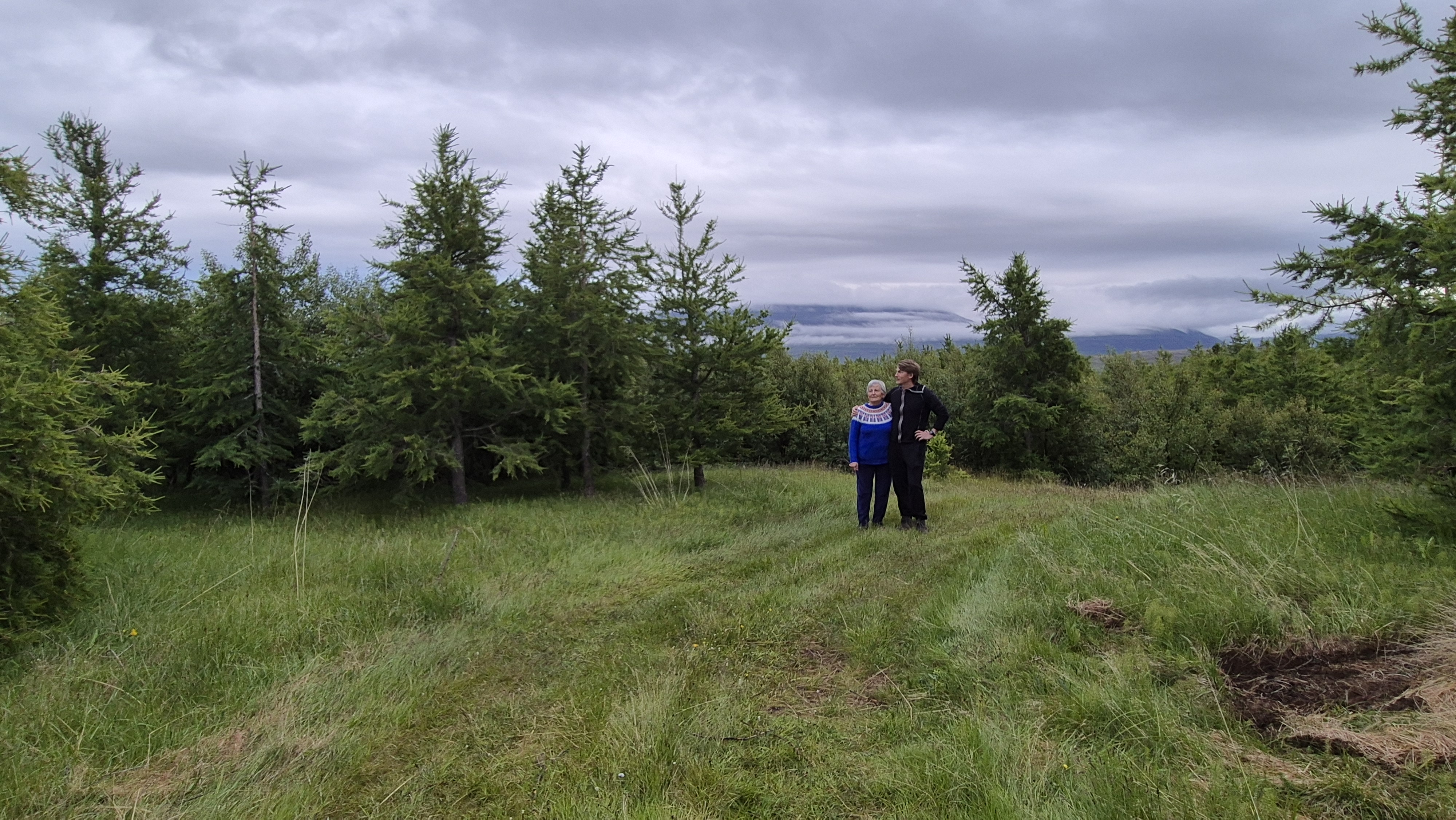
“In 1998, a mother and her fourteen-year-old son planted a birch no taller than his ankle. By nightfall they had planted a hundred. A quarter of a century later, a forest stands where they began.”– the story behind Reforest Iceland
Two people walking a path through a young Icelandic forest

Ninety thousand trees later, nearly every one survived. This is what one family did. Imagine what a country could do.

Now you see why

Help Iceland's forests come back

Iceland lost nearly all its woods in a thousand years. With the right hands and the right backing, it can grow them back far faster. That is the work we do – and there is room for you in it.

Get involvedSee how we work

Prefer to read first? Our free book on Iceland's forests is on its way – leave your email at the top of the page and we'll send it the day it is ready.